Home » 2013 (Page 5)
Yearly Archives: 2013
See How Much Money it Takes to Be Financially Secure in Your Town
What follows is a Family Budge Calculator put out by the Economic Policy Institute. www.epi.org/resources/budget/ The example shown here is for a two parent family with two children living in the capital city of New Jersey, Trenton. A typical family there needs over $75,000 in income per year to be financially secure. That means each parent would have to work full-time and be making at least $18/hour. Or, if only one parent worked, they would need to be pulling in $36/hour for their family to be financially secure. This is a long ways from minimum wage.
Family Budget Calculator
EPI’s Family Budget Calculator measures the income a family needs in order to attain a secure yet modest living standard by estimating community-specific costs of housing, food, child care, transportation, health care, other necessities, and taxes. The budgets, updated for 2013, are calculated for 615 U.S. communities and six family types (either one or two parents with one, two, or three children).
As compared with official poverty thresholds such as the federal poverty line and Supplemental Poverty Measure, EPI’s family budgets offer a higher degree of geographic customization and provide a more accurate measure of economic security. In all cases, they show families need more than twice the amount of the federal poverty line to get by. [To see and use the actual calculator for yourself readers of WordPress must go to the website at http://www.epi.org/resources/budget/ ]
Family Types include:
One Parent, One Child One Parent, Two Children One Parent, Three Children Two Parents, One Child Two Parents, Two Children Two Parents, Three Children
States Include:
AK AL AR AZ CA CO CT DC DE FL GA HI IA ID IL IN KS KY LA MA MD ME MI MN MO MS MT NC ND NE NH NJ NM NV NY OH OK OR PA RI SC SD TN TX UT VA VT WA WI WV WY
Area Names In New Jersey Include:
Atlantic City, NJ MSA Bergen-Passaic, NJ HUD Metro FMR Area Jersey City, NJ HUD Metro FMR Area Middlesex-Somerset-Hunterdon, NJ HUD Metro FMR Area Monmouth-Ocean, NJ HUD Metro FMR Area Newark, NJ HUD Metro FMR Area Ocean City, NJ MSA Philadelphia-Camden-Wilmington, PA-NJ-DE-MD MSA Trenton-Ewing, NJ MSA Vineland-Millville-Bridgeton, NJ MSA Warren County, NJ HUD Metro FMR Area
RESULTS FOR TRENTON, NJ
Trenton-Ewing, NJ MSA (NJ)
Two Parents, Two Children
|
Item |
Cost |
|
Monthly Housing |
$1206 |
|
Monthly Food |
$754 |
|
Monthly Child Care |
$1258 |
|
Monthly Transportation |
$607 |
|
Monthly Health Care |
$1519 |
|
Monthly Other Necessities |
$502 |
|
Monthly Taxes |
$447 |
|
Monthly Total |
$6292 |
|
Annual Total |
$75508 |
Family budgets are for 2013.
Learn more about EPI’s Family Budget Calculator
OVERVIEW: What Families Need to Get By: The 2013 Update of EPI’s Family Budget Calculator (EPI Issue Brief #368)
METHODOLOGY: Economic Policy Institute 2013 Family Budget Calculator: Technical Documentation (EPI Working Paper #297)
DATA: Download source data (Excel)
Obesity, Metabolic Disease and Pathways to a Cure
What follows is my abridged version of one of the most significant summaries of research into diet and human health. This article was written by Moises Velasquez-Manoff for Mother Jones in April of 2013. When you go to the full text of this article you will also find a video and other helpful information. The focus of this abridgement is to present the key advances in our understanding of diet, obesity and metabolic syndrome. Omitted are the implications and recommendations with respect to dietary changes. I would recommend that you read the full article at Mother Jones. The URL Web address is below.
Are Happy Gut Bacteria Key to Weight Loss?
by Moises Velasquez-Manoff
[Abridged version for readers of DataDrivenViewPoints.com]
MOTHER JONES – April 22, 2013
http://m.motherjones.com/environment/2013/04/gut-microbiome-bacteria-weight-loss
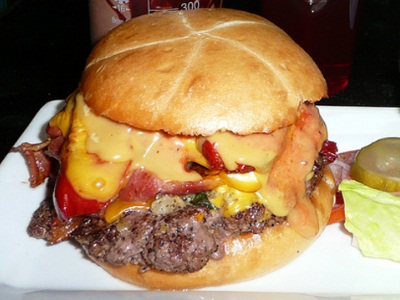
In 2004 a curious diabetes specialist in Buffalo, New York, named Dr. Paresh Dandona, fed nine normal-weight volunteers an egg sandwich with cheese and ham, a sausage muffin sandwich, and two hash brown patties to see what effect this had on their bodies.
He found that levels of a C-reactive protein, an indicator of systemic inflammation, shot up “within literally minutes,” and remained elevated for hours. Inflammation is a natural and important part of our immune system response, but inflammation can also cause collateral damage, especially when the response is overwhelming—like in septic shock—or when it goes on too long.
Chronic, low-grade inflammation has long been recognized as a feature of metabolic syndrome, a cluster of dysfunctions that tends to precede full-blown diabetes and that also increases the risk of heart disease, stroke, certain cancers, and even dementia—the top killers of the developed world. The syndrome includes a combination of elevated blood sugar and high blood pressure, low “good” cholesterol, and an abdominal cavity filled with fat, often indicated by a “beer belly.” Could chronic systemic inflammation (CSI), in fact, be a major cause of metabolic syndrome disorder? A fast-food breakfast inflamed, he found, but a high-fiber breakfast with lots of fruit did not. A breakthrough came in 2007 when he discovered that while sugar water, a stand-in for soda, caused inflammation, orange juice—even though it contains plenty of sugar—didn’t.
This time, along with their two-sandwich, two-hash-brown, 910-calorie breakfast, one-third of his volunteers—10 in total—quaffed a glass of fresh OJ. The non-juice drinkers, half of whom drank sugar water, and the other half plain water, had the expected response—inflammation and elevated blood sugar. But the OJ drinkers had neither elevated blood sugar nor inflammation. The juice seemed to shield their metabolism. “It just switched off the whole damn thing,” Dandona says. Other scientists have since confirmed that OJ has a strong anti-inflammatory effect.
What caught Dandona’s attention was increased blood levels of a substance called endotoxin. This molecule comes from the outer walls of certain bacteria. If endotoxin levels rise, our immune system perceives a threat and responds with inflammation. Where had the endotoxin come from? We all carry a few pounds’ worth of microbes in our gut, a complex ecosystem collectively called the microbiota. The endotoxin, Dandona suspected, originated in this native colony of microbes. Somehow, a greasy meal full of refined carbohydrates ushered it from the gut, where it was always present but didn’t necessarily cause harm, into the bloodstream, where it did. But orange juice stopped that translocation cold.
If what some scientists now suspect about the interplay of food and intestinal microbes pans out, it could revolutionize the $66 billion weight loss industry—and help control the soaring $2.7 trillion we spend on health care yearly. “What matters is not how much you eat,” Dandona says, “but what you eat.”
Scientists now suspect that our microbial communities contribute to a number of diseases, from allergic disorders like asthma and hay fever, to inflammatory conditions like Crohn’s disease, to cancer, heart disease, and obesity. As newborns, we encounter our first microbes as we pass through the birth canal. Until that moment, we are 100 percent human. Thereafter, we are, numerically speaking, 10 percent human, and 90 percent microbe. Our microbiome contains at least 150 times more genes, collectively, than our human genome.
The importance of intestinal microbes to our health has grown increasingly evident. Animals raised without microbes essentially lack a functioning immune system. Entire repertoires of white blood cells remain dormant; their intestines don’t develop the proper creases and crypts; their hearts are shrunken; genes in the brain that should be in the “off” position remain stuck “on.” Without their microbes, animals aren’t really “normal.”
Scientists now suspect that our microbial communities contribute to a number of human diseases, from allergic disorders like asthma and hay fever, to inflammatory conditions like Crohn’s disease, to cancer, heart disease, and obesity. As newborns, we encounter our first microbes as we pass through the birth canal. Until that moment, we are 100 percent human. Thereafter, we are, numerically speaking, 10 percent human, and 90 percent microbe. Our microbiome contains at least 150 times more genes, collectively, than our human genome. Sometime in childhood, the bustling community of between 500 and 1,000 species stabilizes.
Our stool is roughly half living bacteria by weight. Every day, food goes in one end and microbes come out the other. The human gut is roughly 26 feet in length. Hammered flat, it would have a surface area of a tennis court. Seventy percent of our immune activity occurs there. The gut has its own nervous system; it contains as many neurons as the spinal cord. About 95 percent of the body’s serotonin, a neurotransmitter usually discussed in the context of depression, is produced in the gut. So the gut isn’t just where we absorb nutrients. It’s also an immune hub and a second brain. And it’s crawling with microbes. They don’t often cross the walls of the intestines into the blood stream, but they nevertheless change how the immune, endocrine, and nervous systems all work on the other side of the intestine wall.
Science doesn’t know exactly what goes wrong with our microbes in disease situations but a loss of intentional microbe diversity appears to correlate with the emergence of illness. Children in the developing world have many more types of microbes than kids in Europe or North America yet develop have fewer allergies and less asthma. In the developed world, children raised in microbially rich environments—with pets, on farms, or attending day care—have a lower risk of allergic disease.
Some studies find that babies born by C-section, deprived of their mother’s vaginal microbes at birth, have a higher risk of celiac disease, Type 1 diabetes, and obesity. Early-life use of antibiotics—which tear through our microbial ecosystems like a forest fire—has also been linked to allergic disease, inflammatory bowel disease, and obesity. Those who study human microbial communities fret that they are undergoing an extinction crisis.
If our microbiota plays a role in keeping us healthy, then how about attacking disease by treating the microbiota? After all, our community of microbes is quite plastic. New members can arrive and take up residence. Old members can get flushed out. Member ratios can shift. So the microbiota represents a huge potential leverage point in our quest to treat, and prevent, chronic disease. In particular, the “forgotten organ,” as some call the microbiota, may hold the key to addressing our single greatest health threat: obesity.
One-third of Americans are now considered overweight, and another third obese. Worldwide, one-fourth of humanity is too heavy, according to the World Health Organization. One-third of Americans are now considered overweight, and another third obese. Worldwide, one-fourth of humanity is too heavy, according to the World Health Organization.
The long-dominant explanation is simply that too little exercise and too many calories equals too much stored fat. The solution: more exercise and a lot more willpower. But there’s a problem with this theory: In the developed world, most of us consume more calories than we really need, but we don’t gain weight proportionally. If you run a daily surplus of just 500 calories you should gain a pound of fat per week, but we either gain weight much more slowly, or don’t gain weight at all.
Some corpulent people, meanwhile, have metabolisms that work fine. Their insulin and blood sugar levels are within normal range. Their livers are healthy, not marbled with fat. And some thin people have metabolic syndrome, often signaled by a beer gut. They suffer from fatty liver, insulin resistance, elevated blood sugar, high blood pressure, and low-grade, systemic inflammation. From a public health perspective, these symptoms are where the real problem lies—not necessarily how well we fit into our jeans.
In one study, mice raised without any intestinal microbes could gorge on food without developing metabolic syndrome or growing obese. But when colonized with their native microbes, these mice quickly became insulin resistant and grew fat, all while eating less food. Another researcher suspected that low-level inflammation might be the cause for this. To prove the principle, he gave mice a low dose of endotoxin, that molecule that resides in the outer walls of certain bacteria. The mice’s livers became insulin resistant; the mice became obese and developed diabetes. A high-fat diet alone produced the same result: Endotoxin leaked into circulation; inflammation took hold; the mice grew fat and diabetic. Then came the bombshell. The mere addition of soluble plant fibers called oligosaccharides, found in things like bananas, garlic, and asparagus, prevented the entire cascade—no endotoxin, no inflammation, and no diabetes. Oligosaccharides are one form of what’s known as a “prebiotic”.
Cani had essentially arrived at the same place as Dandona with his freshly squeezed orange juice. Junk food caused nasty microbes to bloom, and friendly bugs to decline. Permeability of the gut also increased, meaning that microbial byproducts—like that endotoxin—could more easily leak into circulation and spur inflammation. Simply adding prebiotics—in this case, Bifidobacteria—kept the gut tightly sealed, preventing the entire cascade. Our sweet and greasy diet changes gut permeability and alters the makeup of our microbial organ. Our “friendly” community of microbes becomes pathogenic, leaking noxious byproducts where they don’t belong.
Probiotics are bacteria thought to be beneficial to digestion, like the lactobacilli and other bacteria in some yogurts. In the future probiotics might be bacteria derived from those found in Amazonian Indians, rural Africans, even the Amish—people, in other words, who retain a microbial diversity that the rest of us may have lost.
Ultimately, the strongest evidence to support microbial involvement in obesity may come from a procedure that, on the face of it, has nothing to do with microbes: gastric bypass surgery. The surgery, which involves creating a detour around the stomach, is the most effective intervention for morbid obesity—far more effective than dieting.
Originally, scientists thought it worked by limiting food consumption. But it’s increasingly obvious that’s not how the procedure works. The surgery somehow changes expression of thousands of genes in organs throughout the body, resetting the entire metabolism. In March, Lee Kaplan, director of the Massachusetts General Hospital Weight Center in Boston, published a study in Science Translational Medicine showing a substantial microbial contribution to that resetting.
He began with three sets obese mice, all on a high-fat diet. The first set received a sham operation—an incision in the intestine that didn’t really change much, but was meant to control for the possibility that trauma alone could cause weight loss. These mice then resumed their high fat diet. A second set also received a sham operation, but was put on a calorically restricted diet. The third group received gastric bypass surgery, but was then allowed to eat as it pleased. As expected, both the bypass mice and dieted mice lost weight. But only the bypass mice showed normalization of insulin and glucose levels. Without that normalization, says Kaplan, mice and people alike inevitably regain lost weight.
To test the microbial contribution to these outcomes, Kaplan transplanted the microbiota from each set to germ-free mice. Only rodents colonized with microbes from the bypass mice lost weight, while actually eating more than mice colonized with microbes from the other groups. In humans, some studies show a rebound of anti-inflammatory bacteria after gastric-bypass surgery. Dandona has also noted a decline in circulating endotoxin after the procedure. If we understand the mechanism by which the microbiota shifts, he says, perhaps we can induce the changes without surgery.
NOT EVERYONE ACCEPTS that inflammation drives metabolic syndrome and obesity. And even among the idea’s proponents, no one claims that all inflammation emanates from the microbiota. Moreover, if you accept that inflammation contributes to obesity, then you’re obligated to consider all the many ways to become inflamed. The odd thing is, many of them are already implicated in obesity.
Particulate pollution from tailpipes and factories, linked to asthma, heart disease, and obesity, is known to be a cause of inflammation. So is chronic stress. And risk factors may interact with each other: In macaque troops, the high-ranking females, which experience less stress, can eat more junk food without developing metabolic syndrome than the more stressed, lower-ranking females. Epidemiologists have made similar observations in humans. Poorer people suffer the consequences of lousy dietary habits more than do those who are wealthier. The scientists who study this phenomenon call it “status syndrome.”
Exercise, meanwhile, is anti-inflammatory, which may explain why a brisk walk can immediately improve insulin sensitivity. Exercise may also fortify healthy brown fat, which burns off calories rather than storing them, like white fat does. This relationship may explain how physical activity really helps us lose weight. Yes, exercise burns calories, but the amount is often trivial. Just compensating for that bagel you ate for breakfast—roughly 290 calories—requires a 20-minute jog.
Then there’s the brain. Michael Schwartz, director of the Diabetes and Obesity Center of Excellence at the University of Washington in Seattle, has found that the appetite regulation center of the brain—the hypothalamus—is ofteninflamed and damaged in obese people. He can reproduce this damage by feeding mice a high-fat diet; chronic consumption of junk food, it seems, injures this region of the brain. Crucially, the brain inflammation precedes weight gain, suggesting that the injury might cause, or at least contribute to, obesity. In other words, by melting down our appetite control centers, junk food may accelerate its own consumption, sending us into a kind of vicious cycle where we consume more of the poison wreaking havoc on our physiology.
Of course there’s a genetic contribution to obesity. But even here, inflammation rears its head. Some studies suggest that gene variants that increase aspects of immune firepower are over-represented among obese individuals. In past environments, these genes probably helped us fight off infections. In the context of today’s diet, however, they may increase the risk of metabolic syndrome.
Biologically simple, processed foods may cultivate a toxic microbial community, not unlike the algal blooms that result in oceanic “dead zones.” In fact, scientists really do observe a dead zone of sorts when they peer into the obese microbiota. Microbes naturally form communities. In obese people, not only are anti-inflammatory microbes relatively scarce, diversity in general is depleted, and community structure degraded. Microbes that, in ecological parlance, we might call weedy species—the rats and cockroaches of your inner world—scurry around unimpeded. What’s the lesson? Junk food may produce a kind of microbial anarchy. Opportunists flourish as the greater structure collapses. Cooperative members get pushed aside. And you, who both contain and depend on the entire ecosystem, pay the price.
[This abridged version is provided for public use. See https://datadrivenviewpoints.com/fair-use-notice/]
How Wide is the Gender Gap – The Difference Between Mars and Venus
by Brian T. Lynch, MSW
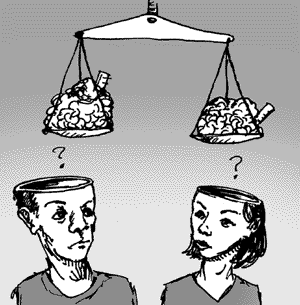
“divergent selection pressures on males and females are expected to produce consistent – and often substantial – psychological differences between the sexes. By the logic of sexual selection theory and parental investment theory, large sex differences are most likely to be found in traits and behaviors that ultimately relate to mating and parenting. More generally, sex differences are expected in those domains in which males and females have consistently faced different adaptive problems.”
Lobbying Produced a 22,000% Return for Corporations per One Study
Is lobbying Congress a good investment?
This is normally a nearly impossible question to answer, but a unique set of circumstances allowed researchers to conclude that Corporate lobbying for a tax amnesty provision in the 2004 American Jobs Creation Act(AJCA) yielded a 22,000% return. Yea, I would say it was worth it.
One reason why the question can’t normally be answered is that the financial information needed to answer the question can almost only be found on Corporate tax returns. All tax returns are confidential and only the IRS can see them. But a unique opportunity to study this question presented itself through a tax amnesty provision in the AJCA.
The University of Kansas School of Business ceased the opportunity. Researchers found that they were able, in this unique situation, to publicly obtain all the information need to analyze the return on lobbying expenditures. As stated in this study, “This is the first study to provide actual values of the financial savings arising from tax law changes, and the first to use data that has been audited by independent accounting firms.”
Cudos to the authors, Alexander, Mazza and Scholtz, and to the University of Kansas School of Business for this important piece of research.
Measuring Rates of Return for Lobbying Expenditures: An Empirical Analysis under the American Jobs Creation Act
Raquel Meyer Alexander
University of Kansas – School of Business
Stephen W. Mazza
University of Kansas – School of Law
Susan Scholz
University of Kansas – Accounting and Information Systems Area
April 8, 2009
Abstract:
The lobbying industry has experienced exponential growth within the past decade. The general public, the media, and special interest groups perceive lobbying to be a powerful mechanism affecting public policy. However, academic research finds inconclusive results when quantifying the rate of return on political lobbying expenditures. In this paper we use audited corporate tax disclosures relating to a tax holiday on repatriated earnings created by the American Jobs Creation Act of 2004 to examine the return on lobbying. We find firms lobbying for this provision have a return in excess of $220 for every $1 spent on lobbying, or 22,000%. Repatriating firms are more profitable overall, but surprisingly, profitability is not a predictor of repatriation amount. Rather, industry and firm size are most predictive of repatriation. Cash on hand, a proxy for ability to repatriate, is not associated with the repatriation decision or the repatriation amount. This paper provides compelling evidence that lobbying expenditures have a positive and significant return on investment.
Working Paper Series
GO TO THE WEBSITE AND DOWNLOAD THE FULL REPORT HERE http://bit.ly/Abj1Or
From the report:
|
[Top 20] Companies Repatriating $500M or More
(105 companies total1)
|
||||
|
Amount
|
Amount Repatriated/
|
|||
|
Rank
|
Company
|
Repatriated
|
Total Assets2
|
Revenue2
|
|
1
|
PFIZER
|
37,000
|
30%
|
70%
|
|
2
|
MERCK & CO
|
15,900
|
37%
|
68%
|
|
3
|
HEWLETT PACKARD
|
14,500
|
19%
|
18%
|
|
4
|
JOHNSON & JOHNSON
|
10,800
|
20%
|
23%
|
|
5
|
IBM
|
9,500
|
9%
|
10%
|
|
6
|
SCHERING-PLOUGH
|
9,400
|
59%
|
114%
|
|
7
|
DU PONT
|
9,100
|
26%
|
33%
|
|
8
|
BRISTOL-MYERS SQUIBB
|
9,000
|
30%
|
46%
|
|
9
|
ELI LILLY & CO
|
8,000
|
32%
|
58%
|
|
10
|
PEPSICO
|
7,500
|
27%
|
26%
|
|
11
|
PROCTOR & GAMBLE
|
7,200
|
13%
|
14%
|
|
12
|
INTEL
|
6,200
|
13%
|
18%
|
|
13
|
COCA-COLA
|
6,100
|
19%
|
28%
|
|
14
|
ALTRIA GROUP
|
6,000
|
6%
|
9%
|
|
15
|
MOTOROLA
|
4,600
|
15%
|
15%
|
|
16
|
DELL
|
4,100
|
18%
|
8%
|
|
17
|
MORGAN STANLEY
|
4,000
|
1%
|
10%
|
|
18
|
CITIGROUP
|
3,200
|
0%
|
3%
|
|
19
|
ORACLE
|
3,100
|
15%
|
26%
|
|
19
|
WYETH
|
3,100
|
9%
|
18%
|
Micro Drones and the Future of Spying
Unlike the current unconstitutional practice of scooping up every phone call made in the US, at least a swarm of micro drones would need to have a specific target for their spying and reconnaissance work. This story brings new meaning to the expression, “I’m being bugged!”
US military surveillance future: Drones now come in swarms?

A small insect or a mosquito over your ear may now be much more than simply annoying. Those could easily be micro drones which now come in a swarm of bug-sized flying spies.
In an effort to create a hard-to-detect surveillance drone that will operate with little or no direct human supervision in out of the way and adverse environments, researchers are mimicking nature.
The University of Pennsylvania GRASP Lab showed off a network of 20 nano-quad rotors capable of agile flight, which could swarm and navigate in an environment with obstacles.
This is another step away from bulky heavily armed aerial vehicles or humanoid robots to a much smaller level of tiny remote-control devices. While current drones lack manoeuvrability, can’t hover and move fast enough, these new devices will be able to land precisely and fly off again at speed. One day the military hope they may prove a crucial tactical advantage in wars and could even save lives in disasters. They can also be helpful inside caves and barricaded rooms to send back real-time intelligence about the people and weapons inside.
A report in NetworkWorld online news suggests the research is based on the mechanics of insects, which potentially can be reverse-engineered to design midget machines to scout battlefields and search for victims trapped in rubble.
In an attempt to create such a device, scientists have turned to flying creatures long ago, examining their perfect conditions for flight, which have evolved over millions of years.
Zoologist Richard Bomphrey has told the British Daily Mail newspaper he has conducted research to generate new insight into how insect wings have evolved over the last 350 million years.
“By learning those lessons, our findings will make it possible to aerodynamically engineer a new breed of surveillance vehicles that, because they are as small as insects and also fly like them, completely blend into their surroundings,”the newspaper quotes him as saying.
The US Department of Defense has turned its attention to miniature drones, or micro air vehicles long ago.

Image from video of a swarm of Nano Qardrotors, posted at GRASP Laboratory website
As early as in 2007 the US government was accused of secretly developing robotic insect spies when anti-war protesters in the US saw some flying objects similar to dragonflies or little helicopters hovering above them. No government agency has admitted to developing insect-size spy drones though some official and private organizations have admitted that they were trying.
In 2008, the US Air Force showed off bug-sized spies as “tiny as bumblebees” that would not be detected when flying into buildings to “photograph, record, and even attack insurgents and terrorists.”
The same year US government’s military research agency (DARPA) conducted a symposium discussing ‘bugs, bots, borgs and bio-weapons.’
Around the same time the so-called Ornithopter flying machine based on Leonardo Da Vinci’s designs was unveiled and claimed they would be ready for roll out by 2015
Lockheed Martin’s Intelligent Robotics Laboratories unveiled “maple-seed-like” drones called Samarai that also mimic nature. US troops could throw them like a boomerang to see real-time images of what’s around the next corner.
The US is not alone in miniaturizing drones that imitate nature: France, the Netherlands and Israel are also developing similar devices.

An image from NetworkWorld.com
Is Our Obesity Epidemic a Result of the War on Wages?
America has a growing obesity epidemic. This we know for certain. We also know that obesity is far more prevalent among poor Americans and that more and more Americans are slipping into poverty. Real, inflation adjusted wages have been stagnant for over 30 years. Current wages are in decline and the number of people below the poverty line is near an all time high.
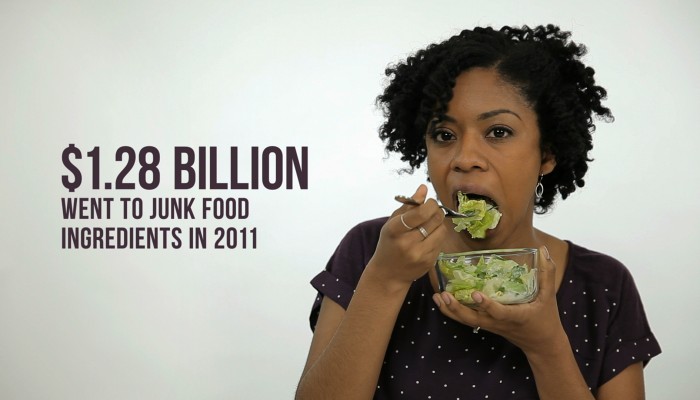
What is the link between poverty and obesity? It is a fact that the five states with the greatest obesity levels are also among the ten poorest states. They are also among the states with the lowest life expectancy. One theory as to why the poor are more likely to be obese is that they don’t have access to healthy foods in poor neighborhoods.
In April of this year the New York Times published an article highlighting two recent studies that looked at whether people in poor communities had access to stores and supermarkets that sold fresh, healthy foods. These two studies found that the poor have as much, or more access to stores selling healthy foods. One study found that poor neighborhoods have twice as many fast food restaurants and corner stores, but almost twice as many supermarkets as well. So the “food desert” theory of why poor American are more obese appears to be false.
A second theory on the connection between obesity and the poor is that they can’t afford to eat healthy. This is the “calories are cheap, nutrition is expensive” theory. Supporting this notion a recent American Journal of Clinical Nutrition study that found $1 could buy 1,200 calories of potato chips but just 250 calories of vegetables and 170 calories of fresh fruit. An excellent CNN article recently reported that:
“Ground beef that is 80/20 is fattier but cheaper than 90/10. Ground turkey breast is leaner than the other two but is usually the more expensive. And many of us can’t even begin to think about free-range chicken and organic produce — food without pesticides and antibiotics that’ll cost you a second mortgage in no time at all.”
And the cost of groceries is rising. The U.S. Department of Agriculture estimated the weekly grocery bill for a family of four was about at $134.50 in 2010 and $141.20 in 2011. An extra $7.00 per week is a lot for families living below the poverty line, especial when family incomes are in decline.
Other recent research also suggests a strong link between poverty, obesity and US food policy. While genetics may play a role in obesity, socioeconomic class may be a better predictor of obesity.
AcademicEarth.org has posted a brief video on their Website explaining this link that also relates it to current U.S. food policies. They report that Americans today eat 25% more calories than they did in the 1970’s (the same time period when hourly wages stopped rising with hourly productivity). The additional calorie intake is skewed towards lower income families. This important video federal food subsidies and other U.S. policies may be directly contributing to the current obesity crisis. Please view the video here: http://academicearth.org/electives/the-economic-cost-of-obesity/.
Created by AcademicEarth.org
Teen Pregnancy and the Bible Belt
What does the following two graphic images have to say about teenage pregnancy and religion? It might be a coincidence that the most conservative religious states have the most teenage pregnancies, but it might also be that both of these factors are related to some other factor. The researchers who studied this data suggest that it may be conservative religious views on birth control (and abortion?) that are causing this result. What can be said for sure is teenage sexual activity doesn’t appear to be less prevalent in more religiously conservative areas of the country.
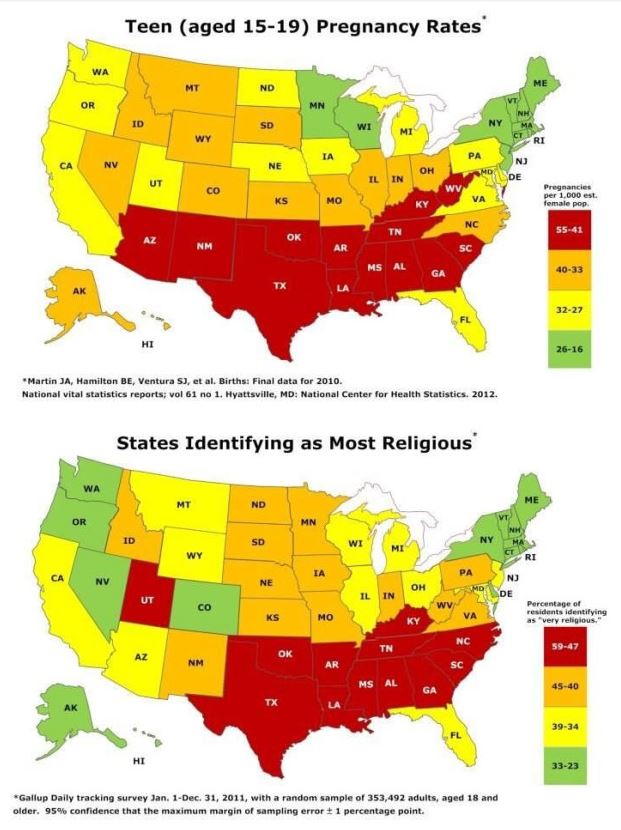
Religiosity and teen birth rate in the United States
Abstract
Background
The children of teen mothers have been reported to have higher rates of several unfavorable mental health outcomes. Past research suggests several possible mechanisms for an association between religiosity and teen birth rate in communities.
Methods
The present study compiled publicly accessible data on birth rates, conservative religious beliefs, income, and abortion rates in the U.S., aggregated at the state level. Data on teen birth rates and abortion originated from the Center for Disease Control; on income, from the U.S. Bureau of the Census, and on religious beliefs, from the U.S. Religious Landscape Survey carried out by the Pew Forum on Religion and Public Life. We computed correlations and partial correlations.
Results
Increased religiosity in residents of states in the U.S. strongly predicted a higher teen birth rate, with r = 0.73 (p < 0.0005). Religiosity correlated negatively with median household income, with r = -0.66, and income correlated negatively with teen birth rate, with r = -0.63. But the correlation between religiosity and teen birth rate remained highly significant when income was controlled for via partial correlation: the partial correlation between religiosity and teen birth rate, controlling for income, was 0.53 (p < 0.0005). Abortion rate correlated negatively with religiosity, with r = -0.45, p = 0.002. However, the partial correlation between teen birth rate and religiosity remained high and significant when controlling for abortion rate (partial correlation = 0.68, p < 0.0005) and when controlling for both abortion rate and income (partial correlation = 0.54, p = 0.001).
Conclusion
With data aggregated at the state level, conservative religious beliefs strongly predict U.S. teen birth rates, in a relationship that does not appear to be the result of confounding by income or abortion rates. One possible explanation for this relationship is that teens in more religious communities may be less likely to use contraception.
GOP Doubles Down with Cynical Student Loan Bill
THE HOUSE HAS PASSED STUDENT LOAN SOLUTIONS, TIME FOR THE SENATE TO ACT
Posted by Nick Marcelli on June 18, 2013
Today, House Republican Leadership held a press conference to discuss the steps the House has taken to avoid the doubling of student loan rates on July 1. The House has already passed a solution to avoid the doubling of student loan rates that echoes the President’s own plan. It is time for the Senate to act.
BUT WAIT!
Take a closer look at what the GOP and Eric Cantor are touting as a positive step to help students pay for college.
Stafford Loan – Current fixed rate for this student loan is 3.4% and it is scheduled to double in July to 6.8%. The House GOP just passed the Smarter Solutions for Students Act (SSSA) which would end the fixed rate and calculate a variable rate at 2.5% points over the 10 year Treasury Bill rates, with a cap of 8.5% on Stafford Loans. The average 10 yr T bill rate so far this month is 2.66%, so the current Stafford Loan rate would be 5.16%.
While the 5.16% today is better than the 6.8% rate beginning in a few weeks, the variable rate cap of 8.5% is 1.7% higher than the fixed rate would be. So Congratulations to the House GOP for passing a plan that would both lower and raise student loan rates at the same time. If this isn’t cynical enough for you, add the SSSA’s current student loan rate of 5.16% today with the cap rate of 8.5% and then divide by two. This gives us the variable rates mid-range of 6.83%, nearly identical to the higher fixed rate as of July. So for bankers this is a revenue neutral proposal over a range of years while current college students get only a 52% rate increase as of July. For future college students the rate can more than double the current 3.4% fixed rate.
A look at the other provisions of the bill reveal similar findings. This could be a bill written by the student loan industry to squeeze more out of students without appearing to be quite as greedy.
Below is an analysis that (also cynically) does not assess the financial impact if the current 3.4% rate is allowed to stay the same.
H.R. 1911, Smarter Solutions for Students Act
cost estimate
may 20, 2013
read complete document (pdf, 28 kb)
As ordered reported by the House Committee on Education and the Workforce on May 16, 2013
H.R. 1911 would change the interest rates for all new federal loans to students and parents made on or after July 1, 2013, from a fixed interest rate set in statute to a variable interest rate, adjusted annually. Under the bill, interest rates for all new subsidized and unsubsidized student loans would be based on the interest rate on a 10-year Treasury note plus 2.5 percentage points, with a cap of 8.5 percent. (Borrowers pay no interest on subsidized loans while enrolled in school or during other deferment periods but are responsible for interest at all times on unsubsidized loans.) The interest rate for all new GradPLUS and parent loans would be based on the interest rate on a 10-year Treasury note plus 4.5 percentage points, with a cap of 10.5 percent. The bill also would eliminate the cap on the interest rate on all new consolidation loans (multiple loans for a single borrower combined into one loan) originated on or after July 1, 2013.
Under current law, all subsidized and unsubsidized loans originated on or after July 1, 2013, will have a fixed interest rate of 6.8 percent, and all GradPLUS and parent loans will have a fixed rate of 7.9 percent. In addition, the interest rate on all consolidation loans is capped at 8.25 percent.
CBO estimates that enacting H.R. 1911 would reduce direct spending by about $1.0 billion over the 2013-2018 period and by $3.7 billion over the 2013-2023 period. Enacting the bill would not affect revenues. Pay-as-you-go procedures apply because enacting the legislation would affect direct spending. Implementing the bill would not have a significant impact on spending subject to appropriation.
Wealth Inequality and Our Brewing Social Crisis
by Brian T. Lynch, MSW
Wealth disparity has a profound, relativistic impact in human societies and this is worth understanding. Even in the most egalitarian societies where everything is shared, there are subtle differences in the distribution of goods and services. These small differences convey powerful social messages that are keenly felt by all its members. These messages impact social interactions and the social order. Wealth distribution has powerful symbolic meaning in every society, large or small, rich or poor.

Wealth Disparity is Worse Than You Think – Business Insider
http://www.businessinsider.com/inequality-is-worse-than-you-think-2013-3
When the actual material differences in wealth are subtle, the costs or benefits conferred by wealth distribution are limited to social perceptions and its impact on social order or governance. These material differences are not existential threats to the socially disadvantaged. However, as the actual material differences between members of society grows, the scarcity of essential resources for some may follow. This becomes ever more consequential as it increases the efforts needed to assure survival. It introduces more uncertainty and decreases the sense of personal control. Distribution induced disparity can grow to the point where it can even become life threaten. Additionally, the social power differential grows to the point where social relationships by the advantaged towards the disadvantaged can become exploitive and extractive.
Under conditions of extreme wealth disparity there are physical and psychological impacts on both the powerful and less powerful. The Socially disadvantaged undergo significant stress and will exhibit all the symptoms and conditions associated with chronic stress (alcoholism, drug abuse, depression, maladaptive behaviors, obesity, child abuse, poor health outcomes, etc.). What is important to understand is that it is the disparity in wealth that induces social stress, not the absolute measure of wealth. Extreme wealth disparity becomes pathological in all societies, both rich or poor. This appears to have been true throughout history. Evidence of the corrosive effects of social disparity has even been demonstrated in research studying the impact of dominance on subordinate primate populations, so this appears to be a natural phenomenon.
Extreme wealth disparity is a threat to society. This fact is underappreciated by many. And distribution induced shortages don’t need to be at starvation levels before reaching critical mass, especially in wealthy countries like ours. Pundits have used this starvation metric or comparisons of our poverty to that found in poor countries to dismiss the current threat we face from rapidly growing wealth disparity. A better measure of our social instability is the health and welfare of the nation’s poor. The ranks of the poor are growing and their welfare is rapidly deteriorating. Here we find a conspiracy of silence in the main stream press. The symptoms of poverty induced stress have been reinterpreted as moral weaknesses and personal failings for which the poor have no one but themselves to blame. Both the unfair distribution of current wages and the redistribution of wealth through taxes to assist the poor are almost taboo subjects. To raise these issues is to be accused of inciting class warfare, which is exactly what has been raging for decades to bring us to this point.
The last time America experienced such enormous wealth disparity we were fortunate that the worst consequence was the Great Depression and not a total social collapse. The Great Recession of 2008 is an early warning of what will happen if we don’t correct our current wealth imbalance. So far the alarm bells are ringing but the public address system is still on mute.
1st Qrt Report: Wages Sharply Down, Bank Profit at Record High
This is an mportant story that I want to share with readers of this blog. I encourage everyone to watch the video. Feel free to add your comments.
The Real News Network
Bank Profits Soar, Wages Suffer Sharpest Decline in 60 Years
Bill Black: The economy is recovering – unless you work for a paycheck. – June 9, 2013
JAISAL NOOR, TRNN PRODUCER: Welcome to The Real News Network. I’m Jaisal Noor in Baltimore. And welcome to the latest edition of The Black Financial and Fraud Report with Bill Black, who now joins us from Kansas City, Missouri. Bill is an associate professor of economics and law at the University of Missouri-Kansas City. He’s a white-collar criminologist and former financial regulator. And he’s the author of the book The Best Way to Rob a Bank Is to Own One.
Thank you for joining us, Bill.
BILL BLACK, ASSOC. PROF. ECONOMICS AND LAW, UMKC: Thank you.
NOOR: So, Bill, what can you tell us about this latest news from the first-quarter? Bank profits soared to record levels while wages suffered their sharpest decline since 1947.
BLACK: What it all adds up to, of course: it is a very good time and a very good country to be a plutocrat, because the rich are getting richer at a staggering rate and poor people are actually getting poorer, just like the same saying goes.
So we’ve got a series of news that it has just come in this week. One thing shows that we have the largest decline in wages. Boy, that’s a big win. And that follows–that’s for the first quarter of 2013. And that follows what was a huge quarter for income in the fourth quarter, in other words the last three months of 2012. But, of course, there’s a footnote on that. And that huge quarter at the end of last year was to beat the tax increase. So that was the massive payment of bonuses to the wealthiest Americans. So they made sure the wealthiest Americans got their money before the tax increases kicked in.
And what happened as soon as we got back to the regular economy? Well, wages haven’t simply stalled; they’ve actually gotten negative. And productivity is up, which is supposed to mean that wages are up, but wages have gone in the opposite direction. So that’s the news on the wages front.
On the bank profit front, hey, we’ve got the highest reported profits ever for the first quarter of this year. Now, the twist in all of this is that the statistics, when you look at them closely, show the banks weren’t all that profitable in their regular operations, because, of course, they’re not making all that much in the way of loans and such. They’re mostly sitting on their money.
So how did the banks report record profits, but when they were doing their day-to-day business they weren’t earning all that much in the way of super profits? And the answer to all of that is that they reversed out a whole bunch of reserves for future losses, which is the same game they played leading up to the crisis. So reserves for those massive future losses, they’ve made them lower and lower. At the end of 2006, they had gotten to the lowest level of reserves against future losses in history since the savings and loan debacle. And we all know how disastrously this ended. Well, guess what? We’re at the record low again in 2007.
And this is how the accounting works. Every dollar they take out of reserves for future losses is an additional dollar they can pay in bonuses to the top executives. So the wealthier are getting wealthier at a record rate in banking as well.
So what else is happening? Well, we have record stock market appreciation. In fact, there’s a neat headline that says that when you disregard inflation–which of course you can’t–the losses that people suffered in the Great Recession have now been made back. It took a lot of years to do it, but they’ve made it back. But, of course, there’s a footnote, and the footnote says this: well, regular people haven’t, but people who own stock have made out like bandits. They’ve had a recovery measured by $1.5 trillion, and 80 percent of that gain goes to the 20 percent of richest Americans. So, hey, stock market–great news for the wealthy.
Well, but there was also some potential good news. So housing prices have finally started to go upwards. And that’s good news for all kinds of Americans who own their homes. But, again, there’s a little hitch in all of this, ’cause it turns out that for the first time in American history, a huge portion of these gains are going to massive corporations and investment firms and hedge fund types, and they are because they’re making massive purchases of homes at distressed prices to serve as what we call in the trade vulture funds and to sell it back to regular folks when those housing prices have appreciated. So a lot of this gain in housing prices is not going to regular people; it’s going to go to the hedge fund executives, who are already the wealthiest people in the world.
And how does all of this sum it up? Well, I did a paper recently on the Nobel Prize awarded to Mr. Myerson. Dr. Myerson got this award in 2007 when the world was blowing up, and he got the award for proving that fraud couldn’t exist in the financial sector. And he proved this by assuming that fraud couldn’t exist. And his mechanism for assuming that fraud doesn’t exist is plutocracy. And indeed he says the great advantage of the market system compared to socialism is that we have billionaires, and he says that people who are not that rich, in other words, ordinary multimillionaires who are CEOs, if they act rationally–that’s his word–will loot their corporations. And so the only safe thing we can do is to make some segment of Americans billionaires–in fact, probably multibillionaires–so they can run our largest corporations and made–be made into mega-billionaires. So you get a Nobel Prize for creating a system that leads to recurrent intensifying financial crises that caused $10 billion in losses in the United States and the loss of $10 million jobs. And we are told that we’re supposed to be happy and bless the system because it creates plutocrats who have incomes in the multibillion dollars who, when there is a crisis–in the words of Myerson in another article, people who are poor should pay taxes to bail out billionaire bankers, because that will be good for the poor people. That’s the status of economics in the modern era.
NOOR: So, Bill, it would seem like the dominoes are in a row for another massive financial meltdown. Would you disagree?
BLACK: No, that’s exactly what they’re putting in place. And they’re going to make the folks wealthy on both ends, right? We’re told that they have to be made billionaires so that they can invest prudently during the expansion phase of the bubble. And as soon as they destroy the economy, we’re told that we have to bail them out and make them ever wealthier. And the way we do all of these things increases the rewards to fraud and reduces the penalty to fraud, and especially in the modern era where you can dilute with impunity under the administration’s too-big-to-prosecute-or-even-indict standard.
NOOR: And finally, Bill, where are the movements that are challenging these policies?
BLACK: Well, they’re certainly not in either of the major parties. There are, of course, progressives within the Democratic Party, and they do some things, but in truth, both parties’ leadership are heavily dependent on funding from the largest banks and from other plutocrats. You’ve just seen the the Obama administration put a Pritzker in a cabinet position where the Pritzkers have a terrible reputation. And you saw that the Republicans, who usually block anyone that Obama nominates, were more than happy to have one of those wealthy folks, who is one of their kind, in a cabinet position.
So the dissent remains on places that are not typically found in the mainstream media, the Occupy movements and such. And, you know, it’s going to be the next crisis before there’s any serious chance of serious reform.
NOOR: Thank you for joining us, Bill.
BLACK: Thank you.
NOOR: And thank you for joining us on The Real News Network.
Bio – William K. Black, author of THE BEST WAY TO ROB A BANK IS TO OWN ONE, teaches economics and law at the University of Missouri Kansas City (UMKC). He was the Executive Director of the Institute for Fraud Prevention from 2005-2007. He has taught previously at the LBJ School of Public Affairs at the University of Texas at Austin and at Santa Clara University, where he was also the distinguished scholar in residence for insurance law and a visiting scholar at the Markkula Center for Applied Ethics. Black was litigation director of the Federal Home Loan Bank Board, deputy director of the FSLIC, SVP and general counsel of the Federal Home Loan Bank of San Francisco, and senior deputy chief counsel, Office of Thrift Supervision. He was deputy director of the National Commission on Financial Institution Reform, Recovery and Enforcement. Black developed the concept of “control fraud” frauds in which the CEO or head of state uses the entity as a “weapon.” Control frauds cause greater financial losses than all other forms of property crime combined. He recently helped the World Bank develop anti-corruption initiatives and served as an expert for OFHEO in its enforcement action against Fannie Mae’s former senior management.
 Data Driven Viewpoints